
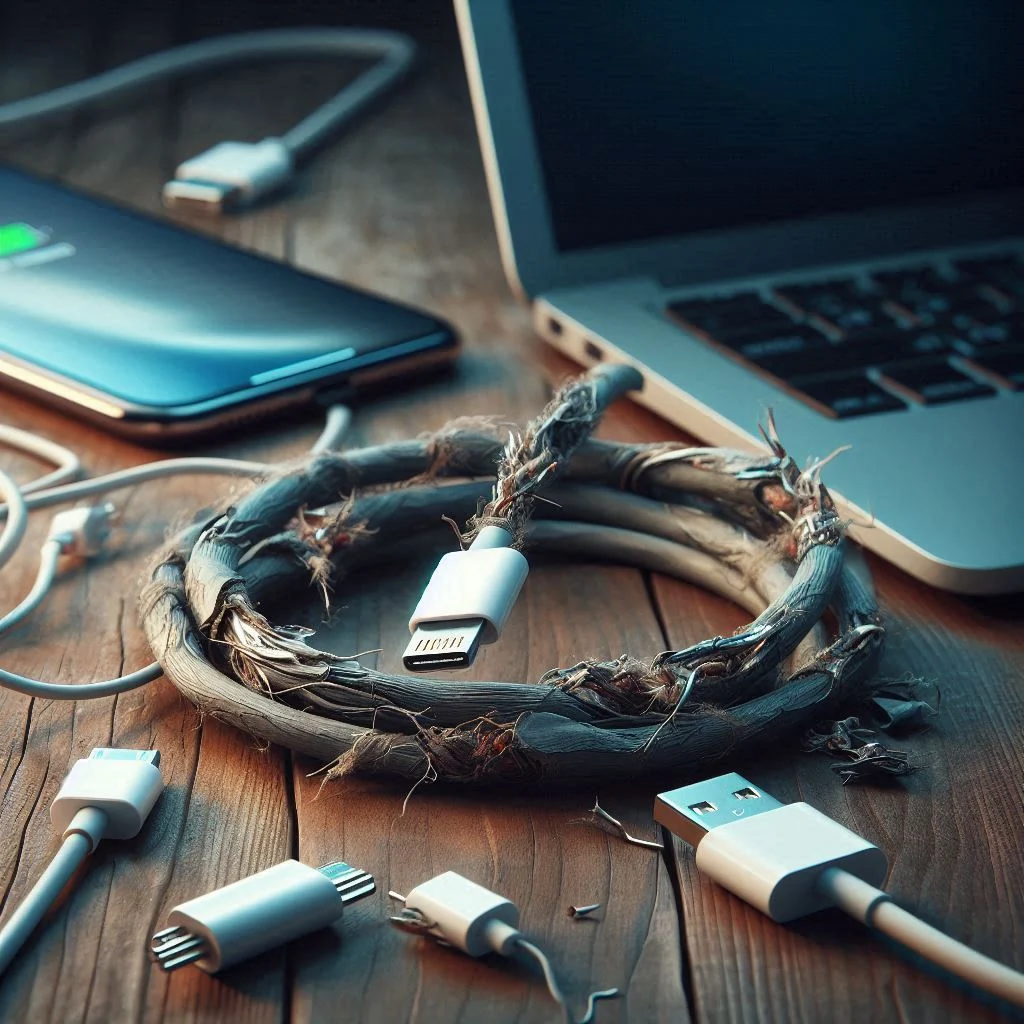
Charging cables are among the most frequently used mobile accessories, yet they are also one of the first to fail. One day your phone charges normally, and the next day the cable only works at a certain angle or stops working entirely.
Whether you use an iPhone, Android phone, tablet, laptop, or power bank, a damaged charging cable can slow down your routine, reduce charging speed, and even create safety risks. Most people replace broken cables without understanding why they failed in the first place.
The truth is that most charging cables break because of everyday habits. Bending, twisting, cheap materials, poor storage, and using the wrong charger all shorten cable lifespan.
In this guide, you’ll learn why charging cables fail, the most common signs of damage, and the best ways to prevent your cables from breaking so they last much longer.
Why Charging Cables Break So Easily
Charging cables may look simple from the outside, but they contain delicate wires, shielding, insulation, and connectors. Every time you plug in, unplug, bend, or wrap the cable, small amounts of stress are placed on those internal components.
Eventually, repeated stress causes the cable to weaken.
The most common reasons charging cables fail include:
- Frequent bending near the connector
- Pulling the cable instead of the plug
- Using low-quality or counterfeit cables
- Twisting or tightly wrapping the cable
- Heat exposure
- Carrying cables loosely in bags or pockets
- Using the wrong charger or power output
Even premium cables can fail early if they are handled incorrectly.
The Most Common Place Where Charging Cables Break
The majority of charging cables fail near the ends—especially where the cable meets the connector.
This area is constantly bent whenever you use your phone while charging. Over time, the internal wires start to fray or snap.
You may notice:
- The outer rubber cracking
- Exposed wires
- Charging only when the cable is held at a certain angle
- Intermittent charging
The section near the USB end or phone connector is the weakest point because it experiences the most movement.
1. Constant Bending Near the Connector
One of the biggest causes of cable failure is repeatedly bending the cable near the charging tip.
For example, if you use your phone in bed while it is plugged in, the cable may bend sharply every night. Eventually, the internal wires weaken.
Why It Happens
Inside the cable are tiny copper wires that carry electricity. Repeated bending causes these wires to fatigue and eventually break.
How to Prevent It
- Avoid bending the cable sharply
- Use longer cables so there is less tension
- Choose cables with reinforced strain relief near the ends
- Keep the cable straight while charging
Many high-quality charging cables now include flexible reinforced sleeves near the connector to reduce stress.
2. Pulling the Cable Instead of the Plug
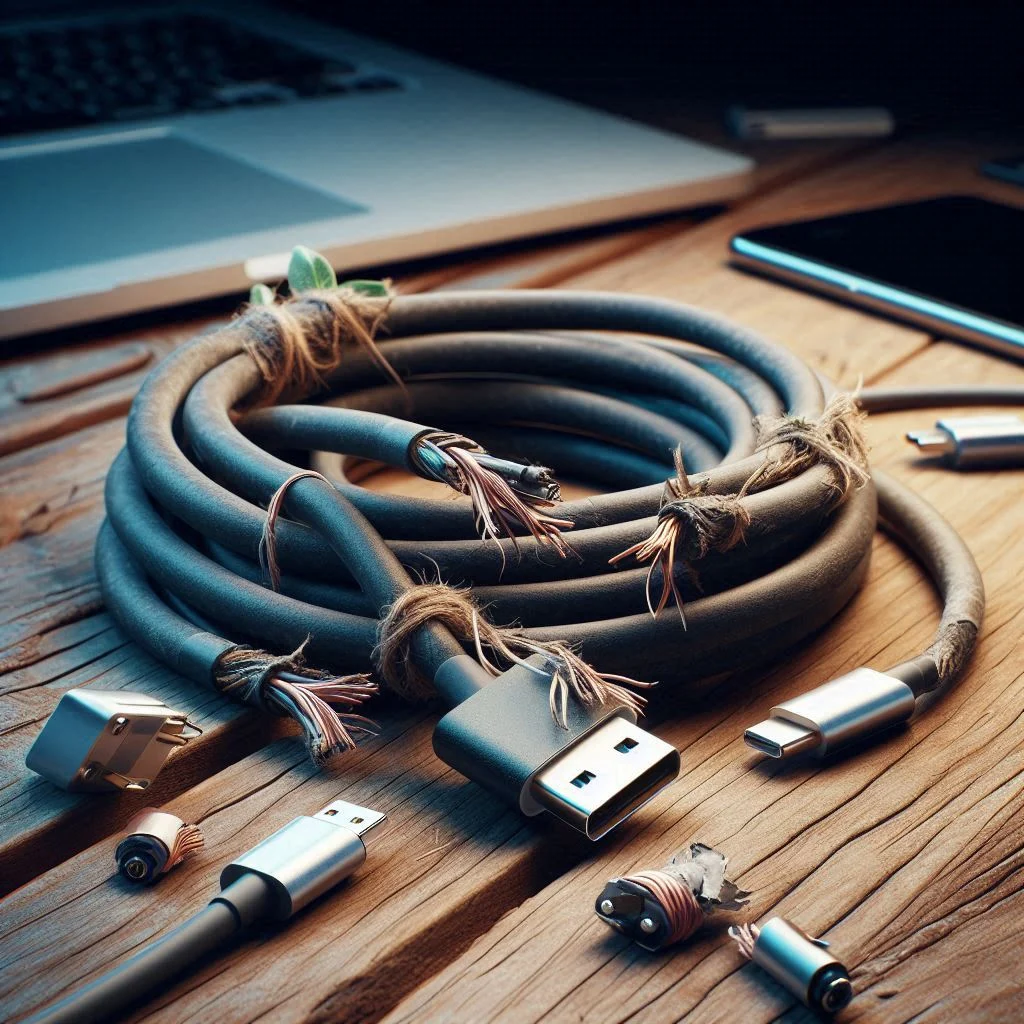
A common habit is unplugging the charger by pulling the cable itself rather than gripping the connector.
This places unnecessary force on the internal wires and weakens the connection between the cable and the plug.
Over time, this can cause:
- Loose connectors
- Frayed wires
- Sudden cable failure
The Correct Way to Unplug
Always hold the plastic or metal connector and gently remove it from the device or charger.
This small habit can significantly extend the life of your cable.
3. Cheap or Low-Quality Charging Cables
Not all charging cables are made to the same standard.
Very cheap cables often use:
- Thin wires
- Weak insulation
- Poor soldering
- Low-quality plastic
As a result, they break much faster than certified or branded cables.
Some low-cost cables may also provide inconsistent charging speeds or fail to support fast charging altogether.
If you regularly buy the cheapest cable available, you may actually spend more money replacing them again and again.
What to Look for in a Durable Charging Cable
When buying a new cable, choose one with:
- Braided nylon exterior
- Reinforced connector ends
- Thick insulation
- Fast charging support
- Certification for your device type
For Apple devices, look for MFi-certified Lightning cables. For Android devices, choose USB-C cables from trusted brands.
Popular reliable cable brands include:
- Anker
- UGREEN
- Baseus
- Belkin
- Aukey
- Samsung
- Apple
Using a quality cable often means better durability, faster charging, and improved safety.
4. Twisting and Wrapping the Cable Too Tightly
Many people wrap their charging cable tightly around the charger or their hand before putting it away.
Although this seems harmless, tight loops put pressure on the wires inside.
Over time, the cable develops weak spots that eventually crack or stop working.
Wrong Way to Store a Cable
- Tight circular loops
- Wrapping around a charger brick
- Folding sharply in half
- Stuffing loosely into a bag
Better Way to Store It
- Use loose loops
- Store it in a pouch or organizer
- Secure it gently with a Velcro strap
- Avoid twisting
Proper storage can add months—or even years—to the life of a charging cable.
5. Using Your Phone While It’s Charging
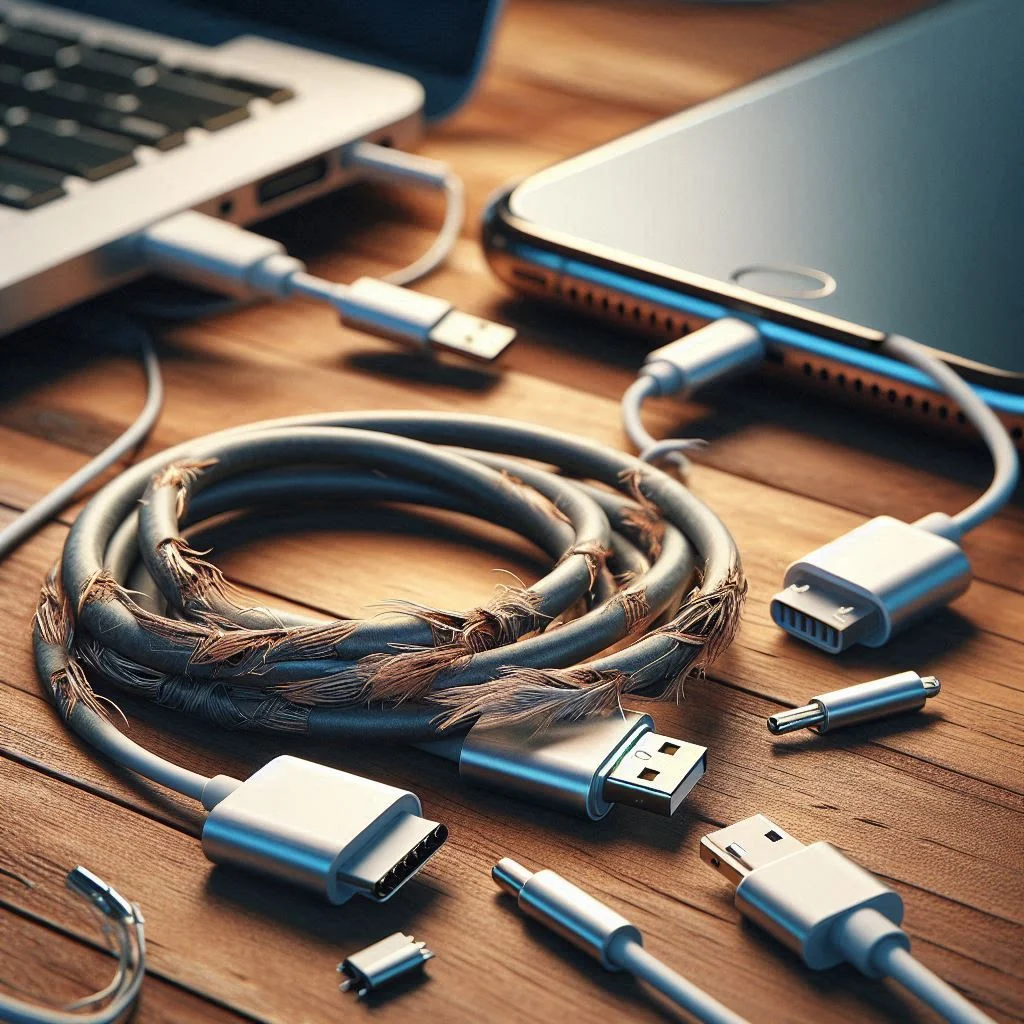
Using your phone while it charges is one of the biggest reasons charging cables wear out early.
When you hold the phone in different positions, the cable bends constantly at the connector. Gaming, watching videos, or scrolling social media while charging increases the pressure on the cable.
This is especially damaging if:
- You use a short cable
- The cable is already worn
- The charging port is positioned awkwardly
How to Reduce Damage
- Put the phone down while charging
- Use a longer cable for comfort
- Consider a 90-degree angled cable connector
Angled cables reduce the amount of bending and are often more durable for heavy users.
6. Heat and Environmental Damage
Heat can weaken charging cables over time.
Leaving a cable:
- In direct sunlight
- Inside a hot car
- Near heaters
- Under a pillow while charging
can soften or damage the insulation.
High temperatures can also make the cable more brittle, especially cheaper plastic-coated cables.
Moisture and dirt are also harmful. Dust inside the connector can interfere with charging and increase wear.
Best Practices
- Keep cables in cool, dry places
- Clean connectors occasionally
- Avoid using damaged cables in wet areas
7. Using the Wrong Charger
A charger that delivers too much power—or unstable power—can place extra stress on a charging cable.
Low-quality chargers sometimes overheat cables or cause internal damage over time.
Using incompatible charging bricks may also reduce cable lifespan.
For example:
- A poor-quality fast charger may overheat a cheap cable
- A cable not designed for high wattage may wear out quickly
Always use:
- A charger that matches your device’s requirements
- A cable rated for the same charging speed
If your phone supports 45W charging, make sure the cable is also rated for 45W or more.
Signs Your Charging Cable Is About to Fail
Before a cable completely stops working, it usually shows warning signs.
Watch for these symptoms:
- The cable only works at certain angles
- Charging starts and stops randomly
- The cable becomes unusually hot
- Visible cracks or fraying
- Slow charging
- Exposed wires
- Loose or bent connectors
If you notice any of these problems, replace the cable immediately.
Continuing to use a damaged charging cable can be dangerous.
Can a Broken Charging Cable Be Dangerous?
Yes. A damaged charging cable is not just inconvenient—it can also be a safety risk.
A faulty cable may cause:
- Electric shock
- Overheating
- Damage to your phone battery
- Charging port damage
- Fire risk in extreme cases
Exposed wires are especially dangerous and should never be used.
If the cable feels hot, sparks, or smells unusual, stop using it immediately.
How Long Should a Good Charging Cable Last?
A high-quality charging cable should typically last:
- 1–2 years with regular use
- Longer if stored and handled properly
Braided and reinforced cables often last significantly longer than standard plastic ones.
If your cables fail every few months, the problem is likely related to how they are being used or stored.
Tips to Make Your Charging Cable Last Longer
To summarize, here are the best ways to prevent your charging cable from breaking:
- Unplug by the connector, not the cable
- Avoid sharp bends
- Store cables loosely
- Buy high-quality certified cables
- Avoid heat and moisture
- Do not use damaged cables
- Use the correct charger
- Avoid heavy phone use while charging
- Choose braided or reinforced designs
- Replace cables at the first sign of wear
Following these habits can save money and reduce the frustration of constantly replacing cables.
Final Thoughts
Charging cables break because they are exposed to stress every day. Bending, twisting, poor storage, and low-quality materials all contribute to early failure.
The good news is that most cable damage is preventable. By choosing a better cable and changing a few daily habits, you can dramatically increase its lifespan.
Instead of buying another cheap replacement every few months, invest in a durable, certified cable and treat it properly. A little care goes a long way.
Your charging cable may be a small accessory, but it plays a major role in keeping your devices powered, safe, and reliable.

