
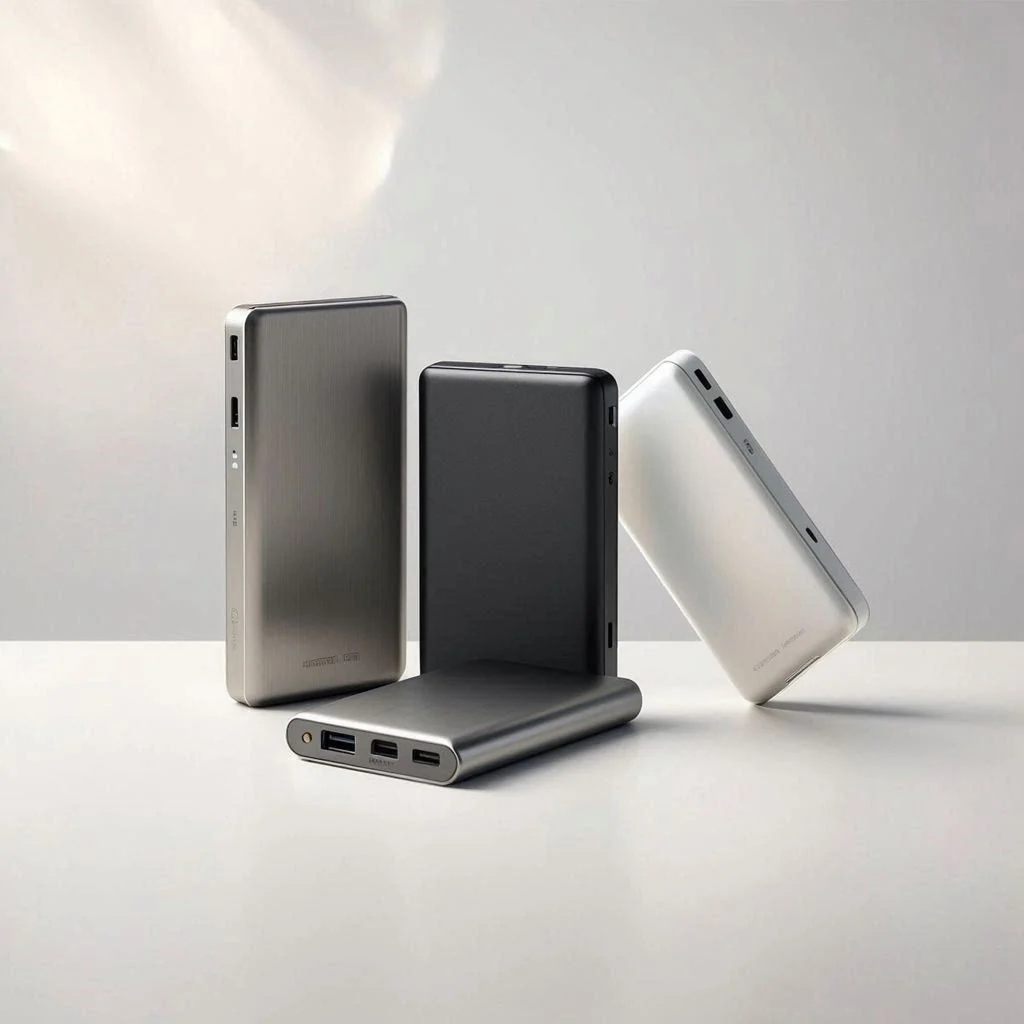
Smartphones, tablets, wireless earbuds, and smartwatches have become essential parts of daily life. Whether you are traveling, working remotely, or simply spending long hours away from a power outlet, battery life can quickly become a major concern. This is where power banks have become one of the most important mobile accessories for modern users.
A power bank provides portable charging, allowing you to recharge your devices anytime and anywhere. However, not all power banks are created equal. With hundreds of models available in the market, choosing the right one can be confusing. Capacity ratings, fast charging technologies, safety features, and build quality all play an important role in determining how effective a power bank will be.
Many buyers make the mistake of selecting the cheapest option without understanding the technical details. Unfortunately, low-quality power banks can result in slow charging, overheating, battery damage, or even safety hazards.
This comprehensive buying guide will help you understand the most important factors to consider when purchasing a power bank, including battery capacity, charging speed, safety features, and compatibility. By the end of this guide, you will be able to choose a power bank that delivers reliable performance and protects your devices.
Understanding Power Bank Capacity
What Does mAh Mean?
The first specification most buyers notice when choosing a power bank is the capacity, usually measured in mAh (milliampere-hour). This number indicates how much electrical energy the power bank can store.
In simple terms, a higher mAh rating means the power bank can charge your devices more times before it needs to be recharged itself.
For example:
- A 5,000 mAh power bank can typically charge a smartphone about once.
- A 10,000 mAh power bank may charge most smartphones two times.
- A 20,000 mAh power bank can charge multiple devices several times.
However, the actual charging capacity is slightly lower than the rated capacity because some energy is lost during voltage conversion and heat generation.
Choosing the Right Capacity
Selecting the right capacity depends on your usage needs.
Light Daily Use
If you only need emergency charging during the day, a 5,000–10,000 mAh power bank is usually sufficient. These models are compact, lightweight, and easy to carry in a pocket or bag.
Travel and Outdoor Use
For travelers or people who spend long hours away from power outlets, a 10,000–20,000 mAh power bank offers a good balance between portability and charging power.
Heavy Device Users
If you charge multiple devices such as tablets, cameras, and smartphones, a 20,000 mAh or higher power bank is the best option. These models provide extended backup power during long trips or outdoor activities.
Charging Speed and Fast Charging Technology
Capacity is important, but charging speed is equally critical. A large power bank that charges slowly may not be practical in real-life situations.
Fast charging technologies have improved significantly in recent years, allowing power banks to deliver higher wattage safely.
Output Power and Wattage
The charging speed of a power bank depends on its output wattage, which is determined by voltage and current.
For example:
- Standard charging: 5W – 10W
- Fast charging: 18W – 30W
- High-speed charging: 45W – 100W
Higher wattage power banks can charge devices much faster.
If your smartphone supports fast charging, choosing a power bank with higher wattage will significantly reduce charging time.
Fast Charging Standards
Different smartphones use different fast charging technologies. A good power bank should support multiple charging standards to ensure compatibility.
Some common standards include:
USB Power Delivery (PD)
USB Power Delivery is one of the most widely supported fast charging technologies. It is commonly used by modern smartphones, tablets, and laptops.
Power banks with USB-PD can deliver high wattage safely and efficiently.
Qualcomm Quick Charge
Quick Charge technology is commonly found in Android smartphones powered by Qualcomm processors.
Power banks supporting Quick Charge can charge compatible devices much faster than standard chargers.
Adaptive and Proprietary Charging
Some smartphone manufacturers use their own charging technologies designed specifically for their devices.
While these technologies can provide extremely fast charging, they may require compatible chargers and cables.
Number and Type of Ports
Another important factor when choosing a power bank is the number and type of ports available.
USB-A Ports
USB-A ports are the traditional charging ports found in many older power banks. They are widely compatible but usually support lower charging speeds.
USB-C Ports
USB-C ports are now the industry standard for modern charging devices.
Power banks with USB-C ports offer several advantages:
- Faster charging speeds
- Higher power output
- Bidirectional charging (input and output)
- Compatibility with modern devices
Many high-quality power banks now include multiple USB-C ports along with USB-A ports to support different devices.
Safety Features to Look For
Safety should always be a top priority when buying a power bank. Low-quality batteries and poor circuitry can cause overheating or electrical hazards.
Reliable power banks include several built-in safety protections.
Overcharge Protection
This feature prevents the power bank from continuing to supply electricity once your device’s battery is fully charged.
Overcharge protection helps preserve battery health and prevents overheating.
Short Circuit Protection
Short circuit protection automatically shuts down the power bank if an electrical fault occurs. This protects both the power bank and connected devices.
Temperature Control
Advanced power banks include temperature sensors that monitor heat levels during charging.
If the power bank becomes too hot, it will reduce power output or shut down temporarily.
Overcurrent Protection
Overcurrent protection prevents excessive electrical current from flowing through the device. This helps protect sensitive smartphone components.
Build Quality and Battery Type
The quality of internal battery cells plays a major role in the safety and longevity of a power bank.
Lithium-Ion Batteries
Lithium-ion batteries are commonly used in older power banks. They provide good energy density but may degrade faster over time.
Lithium-Polymer Batteries
Lithium-polymer batteries are increasingly popular in modern power banks.
They offer several advantages:
- Improved safety
- Lightweight design
- Better resistance to overheating
- Longer lifespan
High-quality power banks typically use lithium-polymer cells.
Additional Features Worth Considering
Modern power banks include several extra features that improve convenience and usability.
Pass-Through Charging
Pass-through charging allows you to charge both the power bank and connected devices at the same time.
This feature is useful when power outlets are limited.
LED Battery Indicators
LED lights or digital displays show the remaining battery level of the power bank.
This helps users monitor when the power bank needs recharging.
Wireless Charging Support
Some premium power banks include wireless charging capabilities, allowing users to charge compatible smartphones without cables.
Travel-Friendly Design
For travelers, compact designs and lightweight materials make power banks easier to carry in backpacks or pockets.
Airline travel regulations also limit power banks to certain capacities, so checking airline guidelines is important.
Tips for Choosing the Right Power Bank
When buying a power bank, keep the following tips in mind:
Choose a capacity that matches your daily usage needs.
Select a model that supports fast charging technologies compatible with your devices.
Prefer power banks with USB-C ports for faster and more efficient charging.
Ensure the power bank includes multiple safety protections.
Buy from reputable brands or authorized retailers to avoid counterfeit products.
These simple steps can help ensure a safe and reliable charging experience.
Conclusion
Power banks have become essential accessories for anyone who relies heavily on mobile devices. Whether you are traveling, working remotely, or simply need backup power during the day, a high-quality power bank can keep your devices running when you need them most.
However, choosing the right power bank requires understanding several key factors, including battery capacity, charging speed, port compatibility, and safety features.
A well-designed power bank should provide reliable power, fast charging performance, and built-in protection systems that safeguard both the power bank and connected devices.
By carefully evaluating these features before purchasing, you can select a power bank that offers the perfect balance of performance, portability, and safety.
Investing in a reliable power bank not only ensures uninterrupted device usage but also protects your valuable electronics from potential charging risks.

