
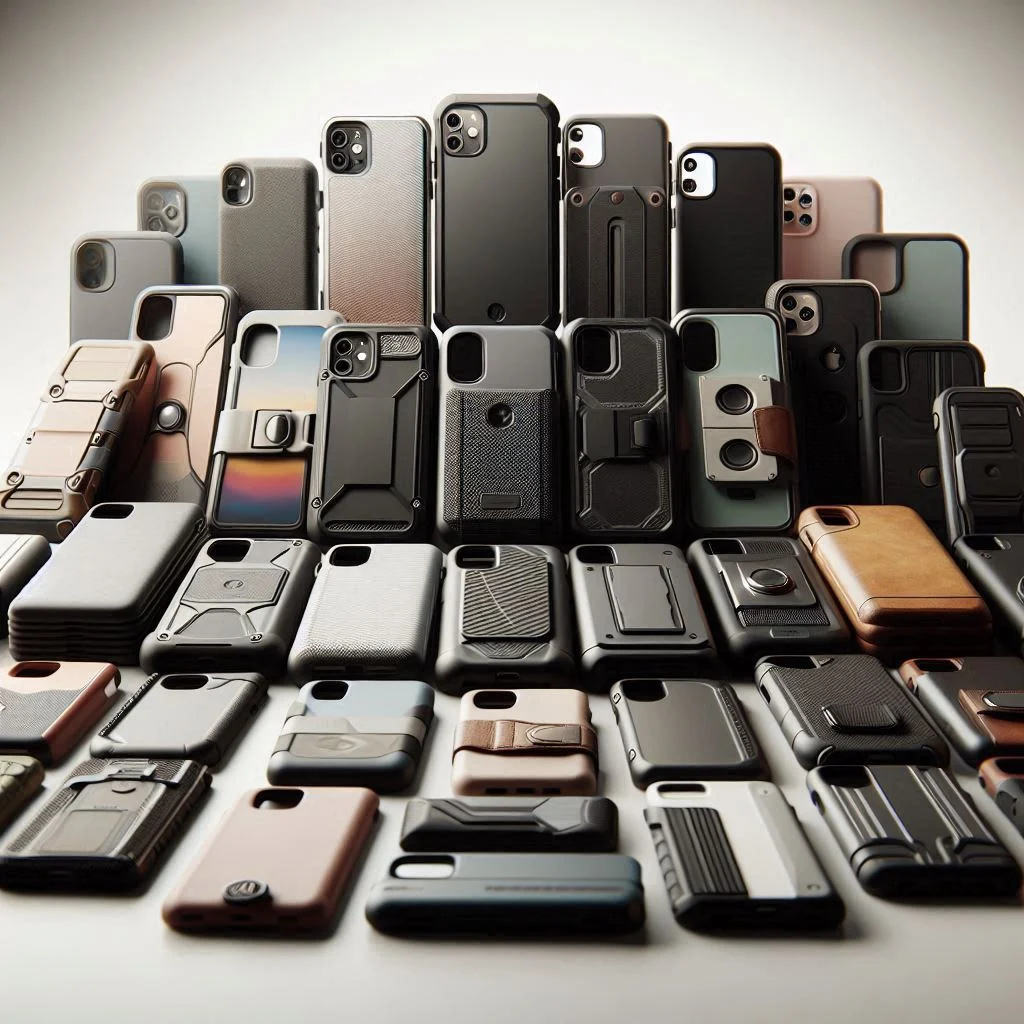
Smartphones play very important roles in our lives. They are communication gadgets, entertainment gadgets, wallets, and workplaces. Protecting your phone is no longer an honorable choice as the price of phones is increasing and the designs are becoming much more delicate. The initial defense against drop, scratch, dust and daily wear are provided by a phone case.
But protection is not enough. The modern users desire style, comfort and functionality as well. There are a lot of material, designs, and prices, so it may be hard to select the appropriate case. It will be divided into easily manageable steps in this guide to assist you in making a sound decision.
Step 1: Learn the Reason of needing a phone case.
A phone case is not as simple as cover. It:
- Guarantees your phone is not scratched or dropped.
- Maintains resale value
- Improves grip and comfort
- Shows personal style
Phones are exposed to every-day risks- table scratches, pocket piercing and slipping. The correct case will save money on repair, avoid the cracking, and increase the life of the phone. A bad case can be too thick, can limit the use or can even fail to safeguard your phone.
Step 2: Assess Your Phone Usage
Consider the use of the phone before selecting a case.
- Constant dropper/ active lifestyle: Rugged is greatest.
- Office or casual users: Thin cases are more design oriented as opposed to protection.
- People working or travelling outside: Find heavy coated cases.
Ask yourself:
- How often do I drop my phone?
- Do I take my time out or in any dangerous places?
- Would I require such additional colors as card storage or a kickstand?
These questions will reduce the number of cases that you can take.
Step 3: Study about dissimilar types of cases.
Slim and Minimalist Cases
- Portable and small in size.
- Offers scratch protection
- Overall easy to use, and user-friendly.
Rugged Cases
- shock absorbing multi-layered.
- expressed corners and high edges.
- Perfect with a traveler, outdoor or an active user.
Wallet and Flip Cases
- Stores cards, cash, and IDs
- Cover during the down-time of the screen.
- Convenient but can add bulk
Clear and Transparent Cases
- Democrates exclusive phone design.
- Lightweight and modern
- Has the tendency to fade away when inexpensive material is been used.
Step 4: Choose the Right Material
Phone case material affects durability, grip, comfort, and style.
| Material | Protection | Weight | Style | Best For |
| Silicone / TPU | Medium | Light | Casual | Everyday use |
| Hard Plastic | Medium | Light | Sleek | Scratch protection |
| Leather | Medium | Medium | Premium | Professionals |
| Hybrid | High | Heavy | Rugged | Heavy-duty protection |
| Metal | Very High | Heavy | Industrial | Extreme conditions |
Silicone / TPU: Shock-absorbing, lightweight, flexible.
Plastic / Polycarbonate: Scratch-resistant but less shock protection.
Leather: Elegant, ages well, professional look.
Metal / Hybrid: Strong, protective, but heavier and may affect wireless charging.
Step 5: Match Style With Personality
Phone cases are fashion accessories. Select the fashion that complies with your style:
- Minimalist The neutral colors such as black, grey or beige.
- Citizens Bold colors, prints, or transparent design.
- Professional: Polished leather or matte finish.
A case that suits your personality seems like a continuation of your phone.
Step 6: Look for Key Features
Drop Protection
- Fall damage is minimized by shock absorbing corners/ air cushions or military standards.
Raised Bezels
- Shields the screen and camera against the flat surfaces.
Grip and Comfort
- Grooved or rubber-coated surfaces keep things non-slip.
- Ergonomic designs are useful when the larger phones are used in a single sea.
Heat Dissipation
- Wrists allow the phone to be cooled, ensuring the phone performs and the battery stays healthy.
Step 7: Take into Account other Features.
The cases may provide additional features:
- Kickstands: Kick standsuits are all about watching videos or video calls.
- Cards slots / wallet cases: stock up important things.
- Magnetic mounts: Fits in car holders.
- Waterproof finishes: It can be applied to outdoor users.
Just think about what details can be useful in your lifestyle.
Step 8: Choose By Usage Type
| User Type | Recommended Case | Key Benefit |
| Casual User | Slim TPU | Lightweight and stylish |
| Office Professional | Leather | Premium appearance |
| Traveler | Rugged | Maximum protection |
| Minimalist | Clear | Shows original design |
| Student | Wallet | Convenience and storage |
Choosing based on usage ensures the case meets your daily needs.
Step 9: Compatibility and Fit: Why It Matters
A phone cover has to be suitably designed to fit your phone. Mismatched cases may cause blocking of ports, interference with buttons or loosen with time.
Always check:
- Camera alignment
- Button responsiveness
- Speaker and microphone vents.
- Compatible with wireless charging.
A good fit is one that can be fully functional without being impaired in any way.
Step 10: Balance Price and Quality
High price does not necessarily translate to quality. On the one hand, high-quality cases could be made of better materials and last longer. Still, on the other hand, it is possible to find high-quality middle-range cases that offer a good alternative at lower prices.
One should not purchase very inexpensive cases which sacrifice on quality of the material since they may either crack, discolour or even collapse during drops. Spending a little more helps to save up for expensive repairs.
Step 11: Consider Eco-Friendly Options
The concept of sustainability is increasingly taking up a significant portion of purchasing decisions. Eco-friendly phone cases are produced using recycled materials, biodegradable plastics or using components that are made of plants.
They eliminate environmental impact without compromising on style or entry-level security, which makes these cases highly recommended in cases where the user is keen on environmental protection.
Step 12: Avoid Common Buying Mistakes
There are numerous buyers who do not think about the long-term usefulness when making a quick purchase. Make sure that the cases are not too bulky, not well ventilated or not compatible with other accessories such as chargers or mounts.
Also, don’t ignore comfort. The case that is not comfortable in hand will soon prove a frustration, however much it may be shown to be improved.
Step 13: Replace Your Case When Needed
Your case will wear over time. Replace it if you notice:
- Cracks or splits
- Looseness or poor fit
- Yellowing (for transparent cases)
A damaged case cannot fully protect your phone.
FAQs
1. Do expensive phone cases provide better protection?
Not always. Although the higher quality materials are in most premium cases, most mid-range models provide the same protection, provided they are designed well.
2. Can slim phone cases be used daily?
Yes, for careful users. They do not, however, come with drop protection as rugged cases.
3. Does wireless charging depend on phone cases?
Wireless charging may be distorted by poorly designed or metal cases. Always ensure you encounter compatibility prior to purchasing.
4. What is the frequency of change of my phone case?
Replacement of your case should be done when looseness, cracking, or hopelessness occurs. A new damaged case can fail to offer protection to your phone.
Conclusion
The best phone case is the one that offers the fusion of style, protection, and functionality. An appropriately selected case is going to ensure the security of your investment at the same time, making it more comfortable, functional, and personal. Through the awareness of materials, features, and lifestyle requirements, you will be assured to settle on a phone case that will match the phone and your day-to-day activities.
You have to do what suits you rather than follow trends. Your phone case must be made to feel natural, trustworthy, and valuable- protect your smartphone and make it easier to use daily.

